- ELEV
- 19 ft
- COORD
- 37.8103° N · 122.4768° W
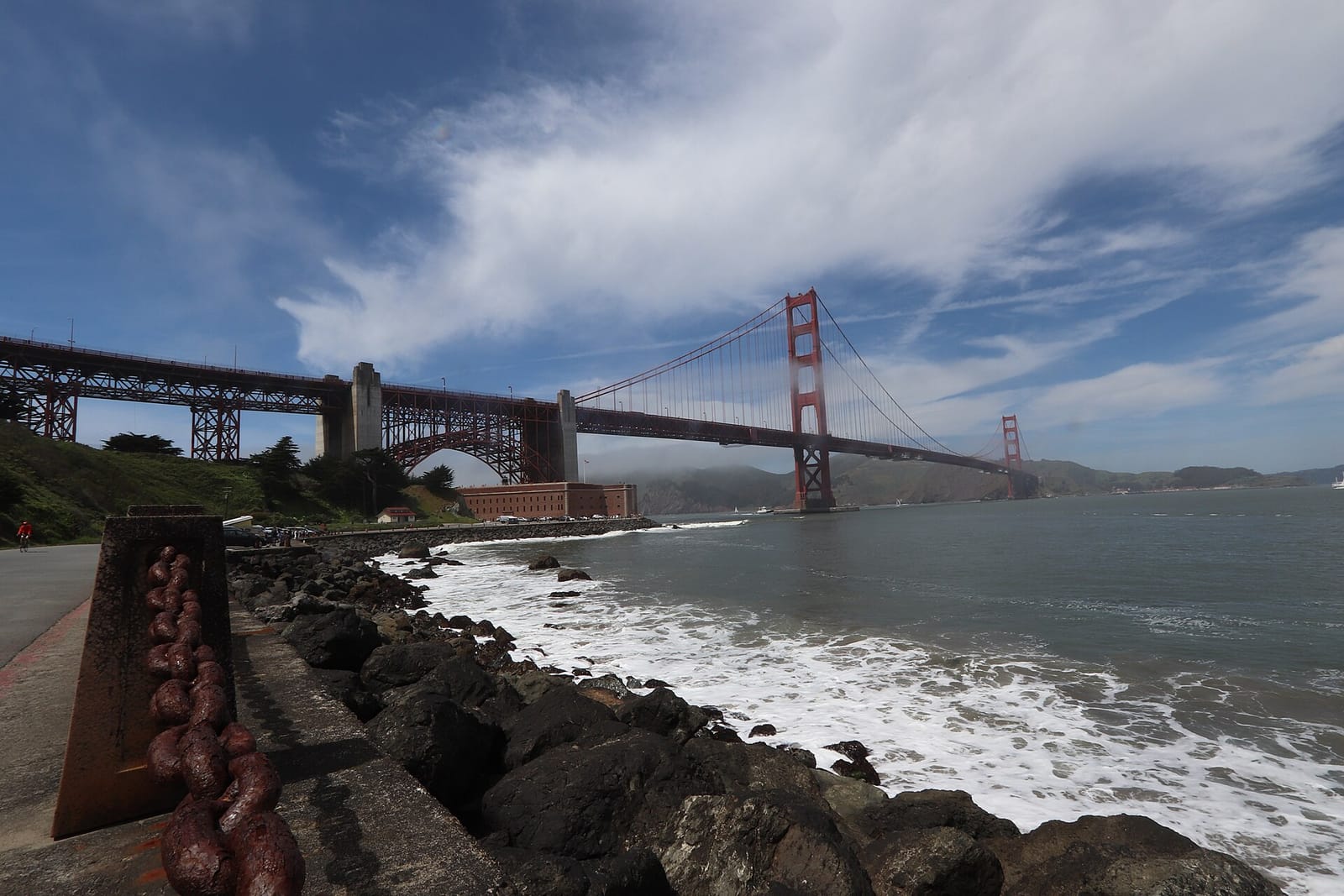
Nestled below the arch at the south end of the Golden Gate Bridge is Fort Point.
Built in a style similar to Fort Sumter, this is the only brick fort of its type in the western US. The fort is an iconic symbol of San Francisco's early US history.
If you come for a visit, bring a jacket and something to keep your ears toasty! It gets mighty cold and windy this close to the water. If you get too cold (or even if you don't), you can always check out the 20 minute videos that run continuously in the theater to the right as you enter from the sally port, or the many shorter videos in the powder magazine you can choose for yourself.
Having Fun at the Fort
Having fun at Fort Point isn't hard to do. First of all, it's beautiful. Second of all, the fort sets a stage for stepping back in time. Walking through the windy corridors or looking out over the edge of the barbette tier at the wilds of Marin, one can't help but imagine the men who once lived here, and wonder what their lives were like. And if that were not enough, you can find all sorts of crazy photo angles of old bricks, rusty canons and the cool bridge above.
Historical Reenactors
If you're walking around inside Fort Point, don't be surprised if you see a Union soldier walking around, too, rifle slung over their shoulder. These soldiers are usually in good spirits, probably because they don't have to sleep in shifts in the same bed as several other recruits or endure the bitter winds of the fort every day without a break, like in the olden days.
Fort History
Prior to Fort Point, the Spanish built a fort of their own, el Castillo de San Joaquín , which sat on a clifftop very nearly on this spot. The US Army blew up the bluff edge and the Spanish fort so that the new fort's guns could fire at ships from water level. The US Army Engineers built the fort between 1853-1861, and was originally armed with cannons designed to repel naval attacks from foreign powers. The fort was rushed to completion with the onset of the Civil War, when it was fully manned and armed with over 100 cannons to counter any Confederate threat to San Francisco.
In 1861, General Albert Sidney Johnston commanded the Department of California for the Union Army. The Confederates hoped they might be able to take hold of the region, and a secret plan was hatched to commandeer Fort Point for the Confederacy with the hopes that Johnston, a southerner by birth, would sympathize with the plot. The plan never came to fruition, though, and California remained a Union-controlled territory. Johnston, however, did in fact align with the Confederacy, but not until Fort Point was completed. After fulfilling his duties for the Union, Johnston gave up his post and became a Confederate general. In this capacity, he died at the battle of Shiloh in 1862.
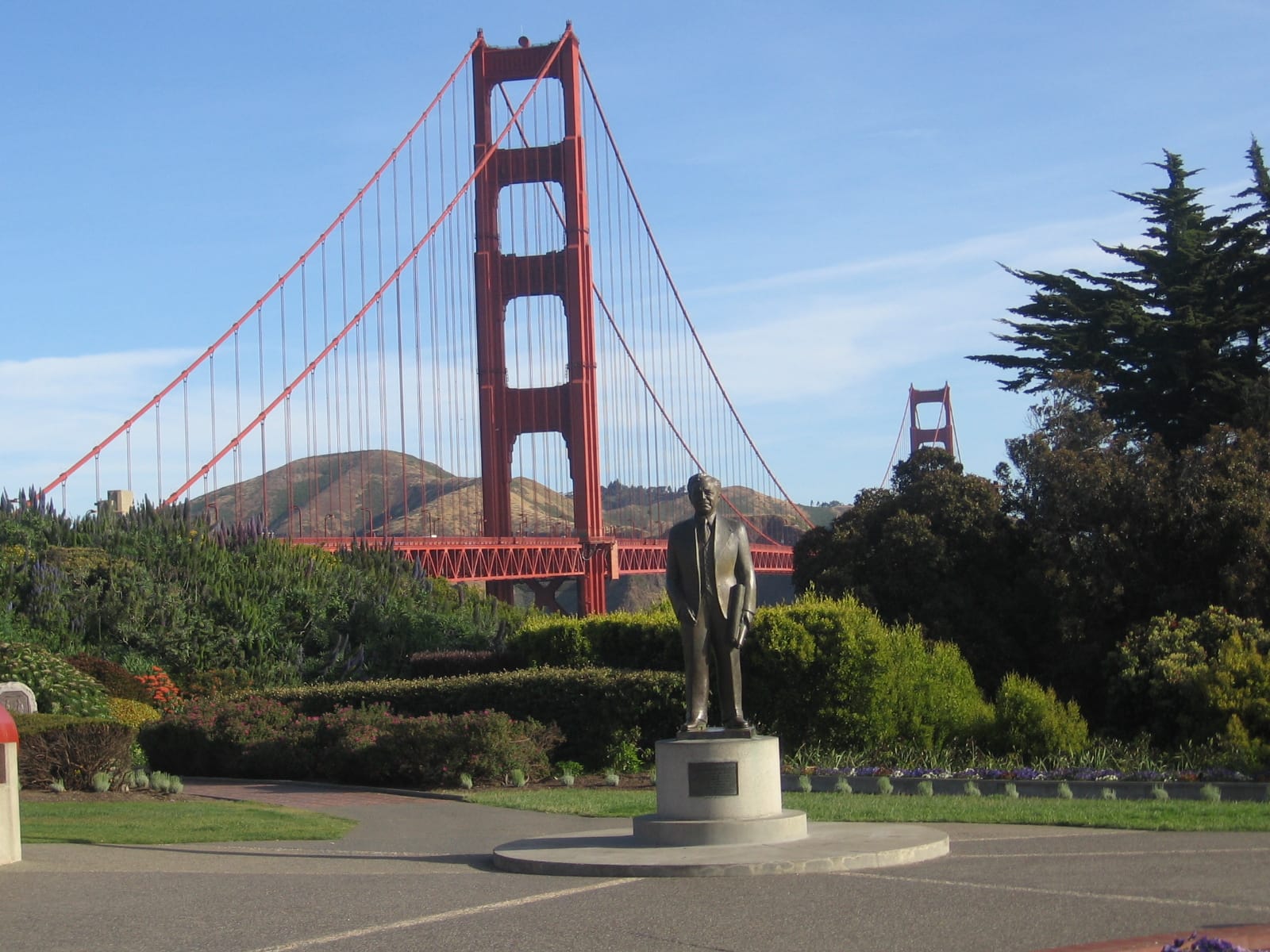
Long neglected by the military after it became obsolete during the Civil War, Fort Point was slated for demolition to make way for the Golden Gate Bridge in 1933. The fort was spared thanks to the efforts of the bridge's Chief Engineer, Joseph Strauss, who championed the fort's preservation because of its fine masonry and historical significance. In 1970, it was declared a national historical site.
Climate Change at Fort Point
This Civil War-era fort never faced enemy fire, but now it's under attack by rising seas and bigger storm waves. When we burn fossil fuels like coal and gas for energy, we add more carbon dioxide to the atmosphere. This buildup acts like a blanket that traps heat around the world. Warmer temperatures expand ocean water and melt glaciers, causing sea level rise, coastal flooding and erosion.
The National Park Service is serious about its responsibility to address problems facing our coastal parks and is taking practical steps to make progress before environmental problems get worse. How can we continue the army's legacy of defending our coasts in the face of sea level rise?
UV today 2 Low, peak 11 AM6°F cooler than normal today
No recent observation nearby. Showing the National Weather Service forecast for this hour.
Elsewhere in the park
Information China Beach Construction & Seacliff Avenue Closures Fall - Winter 2026
Park's China Beach renovation of bathhouse, lower terrace, and picnic areas is in progress. See 'more' for link to Phase 3 of China Beach project below. SFPUC waterline replacement project will cause parking restrictions, lane closures, and access controls along Sea Cliff Avenue. Visitors should expect SFPUC project on Sea Cliff Avenue to impact access to China Beach. See link to SFPUC project below: https://www.sfpuc.gov/construction-contracts/construction-projects/seacliffpumps.
NPS · checked Nov 23, 8:08 AM PT · Details
Information Upper Fort Mason Roads and Parking Area Closures Fall 2025 - Fall 2026
Roads and parking areas at upper Fort Mason will have closures during utilities and seismic retrofit projects. Closures planned Fall 2025 through Fall 2026. Lots will be fenced and used as staging areas for projects occurring at Fort Mason. Signs will be posted in advance of utilities work as project progresses through each area at Fort Mason. Read signs and do not park in posted areas. Vehicles will be towed at owner's expense.
NPS · checked Nov 23, 8:08 AM PT
This does not affect the road or Fort Point National Historic Site. Alerts are matched by road name; check nps.gov to be sure.
Entrances
- Sutro Heights 3 mi SW
Highway cameras on the way in
- VISITOR CENTERGolden Gate Bridge Welcome Center1 mi SEDue to Covid-19 and state and federal health recommendations, hours may vary slightly.
- CAMPGROUNDRob Hill Campground1 mi SGroup camp sites are open for public tent camping from April 1 to October 31.
- VISITOR CENTERWilliam Penn Mott Jr. Presidio Visitor Center1 mi SEThe visitor center is the go to place to find out what is happening and what there is to do in the Presidio.

Place information and alerts: National Park Service (U.S. Government work). Photo: Wikimedia Commons (credit and license under the photo). Weather: National Weather Service. Elevation: USGS. Map: Google Maps. US Road Cams is not affiliated with the National Park Service.